
The Role of Diet in Acne
- Evan Trinh

- 3 days ago
- 3 min read
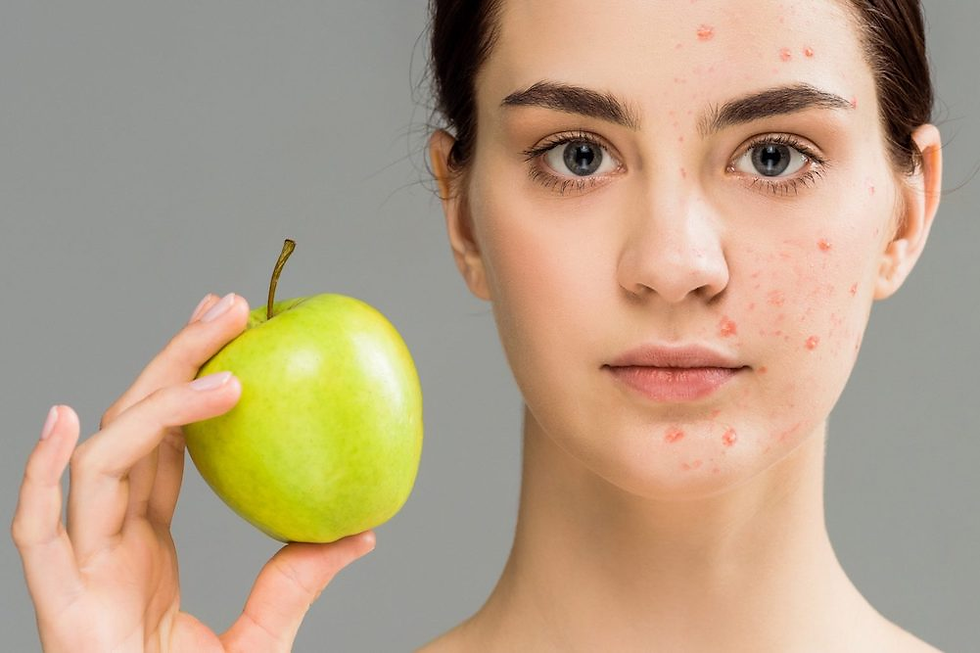
Diet has always been one of the biggest factors influencing our overall health. While I do not follow a strict diet, I know that constantly eating junk food, sugary snacks, and fast food is probably not the best choice, especially as a teenager. Like many people, I have often wondered whether the foods we eat actually affect our skin or if it is simply another skincare myth. After researching this topic, I found several interesting findings that may help explain the relationship between diet and acne.
According to Harvard Health Publishing, our understanding of diet and acne has changed significantly over the years. For decades, people believed that foods like chocolate and greasy meals directly caused acne. Later, many medical professionals dismissed this idea, believing there was little connection between diet and breakouts. However, more recent research suggests that diet may play a role in acne, particularly among adults, although scientists are still working to understand exactly how strong that relationship is.
To understand why diet may matter, it is important to first understand how acne develops. Acne is caused by a combination of factors, including excess oil production, clogged pores, bacteria on the skin, and inflammation. Hormonal changes during puberty, certain medications, stress, genetics, pollution, and even some skincare products can all contribute to acne. Researchers believe that certain foods may increase inflammation throughout the body or influence hormone levels, which could indirectly contribute to breakouts.
One of the largest studies discussed by Harvard Health Publishing analyzed dietary surveys from more than 24,000 adults. Researchers found that individuals with current acne were more likely to consume diets high in fatty foods, sugary foods, and sugar-sweetened beverages. Participants with acne were also more likely to report drinking large amounts of milk and eating meals high in both fat and sugar. Interestingly, chocolate itself was not found to have a significant association with acne in this particular study, challenging one of the most common skincare myths.
Although these findings are compelling, the researchers emphasized that the study showed only an association, not causation. In other words, the results do not prove that eating sugary or fatty foods directly causes acne. Other factors, such as genetics, environmental influences, stress levels, or inaccuracies in self-reported diets, may also have influenced the results. More research is still needed before doctors can recommend a specific acne-prevention diet.
Based on the current evidence, there is no single food that guarantees clear skin and no single food that will always cause breakouts. Instead, maintaining a balanced diet rich in fruits, vegetables, whole grains, lean proteins, and healthy fats may help support overall health, which can also benefit your skin. If you notice that certain foods consistently seem to trigger breakouts, it may be worth discussing those patterns with your healthcare provider or dermatologist rather than eliminating foods without guidance.
After researching this topic, I hope this blog gives you a better understanding of how your diet may influence your skin. If you are in high school like me, I think it is important to be mindful of what we eat, but I also do not believe we should become overly restrictive. Enjoying your favorite foods in moderation is part of maintaining a healthy lifestyle, and stressing over every meal may do more harm than good. Instead of chasing the "perfect" diet for clear skin, focus on building healthy eating habits, following a consistent skincare routine, and taking care of your overall health. Your skin will thank you in the long run.



Comments