
When Should You See a Dermatologist? A Teen's Guide
- Evan Trinh

- Jul 9
- 2 min read

Many teenagers today wonder when is the right time to see a dermatologist. For me, that answer became clear early on. I started struggling with acne in middle school, and after reaching out for professional help, my skin improved significantly within a year through treatments like tretinoin and doxycycline. That experience showed me that dermatology is not just about appearance but also about understanding your skin and taking care of it before issues become more serious.
While doing research, I came across an article from U.S. Dermatology Partners that explains key signs it might be time to see a dermatologist. One important sign is noticing unusual changes in your skin, such as a new mole, a spot that looks different from others, or anything that changes in size, shape, or color. These changes can be early indicators of skin cancer, which is the most common cancer in the United States, but is highly treatable when detected early. Another sign is the need for professional treatment for conditions such as mole removal or other concerns that over-the-counter products cannot address.
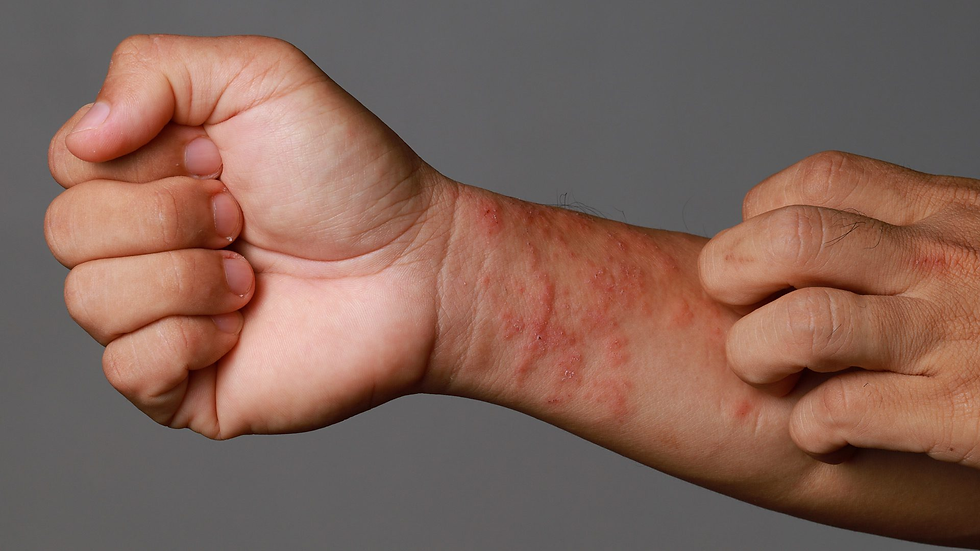
Acne is another major reason people visit dermatologists, especially when it becomes severe or persistent. Over-the-counter products do not always work, particularly for deeper or cystic acne. This was especially true in my own experience, where my attempt to manage acne with over-the-counter topicals quickly became more complicated than I expected. Dermatologists can provide stronger treatments such as topical retinoids, oral antibiotics, or other options depending on the severity. The article also explains that ongoing rashes, itching, or conditions like eczema, psoriasis, or rosacea should not be ignored, especially if they do not improve with basic care.
Seeing a dermatologist is not only about treating serious medical conditions. It can also help improve confidence and overall quality of life. Skin concerns such as acne or scarring can affect how someone feels every day, and getting the right treatment can make a meaningful difference. Overall, if something about your skin is not improving or seems unusual, it is a good idea to have it checked by a professional. I hope this blog helped you feel more prepared for your next visit to a dermatologist!


Comments