
Why Your Skin Breaks Out During Exam Season (And What Actually Helps)


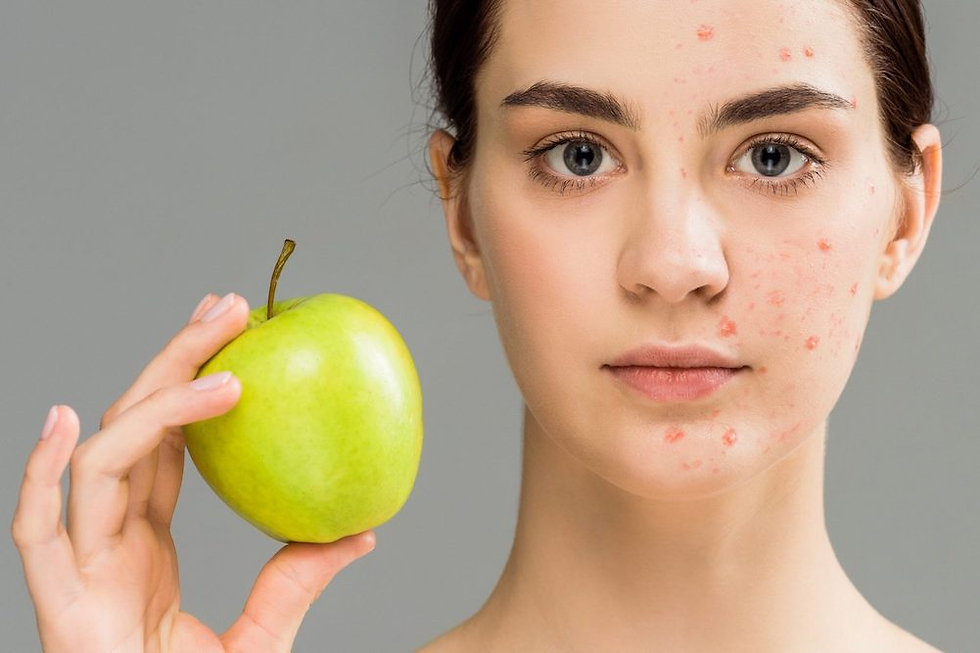
Have you ever noticed how your skin suddenly starts breaking out right before a big test or during finals week? Even if your skincare routine hasn’t changed, stress alone can trigger unexpected acne. I’ve personally experienced this too: I still break out during exam season even when I’m doing everything “right.” Many students assume it’s because they’re not taking care of their skin properly, but that is not always the case. In reality, exam-related breakouts are often caused by internal changes in the body.
Why Stress Causes Acne
During exam season, stress and anxiety don’t just affect your mood; they also directly impact your skin. When you’re stressed, your body produces more cortisol, a hormone that signals your skin to produce more oil (sebum). This excess oil can clog pores and lead to breakouts. That’s why many people notice their skin flaring up right before a test or during stressful periods: it’s not due to a coincidence, it’s a biological response.
There’s also a cycle that can make things worse: stress causes acne, and then acne increases stress. Feeling self-conscious about breakouts can lead to habits like touching or picking at your skin, which can further irritate it and cause more acne. This cycle shows that acne isn’t just about skincare; it’s also connected to mental and emotional health.
The Impact of Acne Anxiety
Acne doesn’t just affect your skin; it also affects how you feel about yourself. Breakouts can make people feel self-conscious or embarrassed, especially during important times like exams or presentations. This can lead to increased anxiety or even avoidance of social situations.
When people feel stressed about their acne, they may start picking at their skin or trying too many treatments at once, hoping for quick results. However, these reactions can actually make acne worse and prolong the healing process, continuing the cycle of stress and breakouts.
Myths and Facts
Let’s clear up some common misconceptions:
Myth: Only poor hygiene causes acne.
Fact: Acne is often hormonal or inflammatory. Over-washing can make it worse.
Myth: Drinking water clears up acne instantly.
Fact: Hydration helps maintain your skin’s barrier, but it isn’t a magic cure.
Myth: Stress doesn’t really affect your skin.
Fact: Scientific research shows that stress can cause hormonal imbalance, inflammation, and oil overproduction.
Myth: You need a 10-step skincare routine.
Fact: Less is more, especially when your skin is under stress.
How to Break the Cycle
Although stress acne can feel frustrating, there are ways to manage it. Reducing stress levels can help regulate cortisol, which may improve your skin over time. Simple strategies like taking short breaks, getting enough sleep, or practicing mindfulness can make a difference. It’s also important to keep your skincare routine gentle and consistent. Using too many products or constantly switching routines can irritate your skin. Instead, focus on basic care and give your skin time to adjust. If acne becomes persistent or severe, seeking guidance from a dermatologist can help you find a treatment plan that works for you. Most importantly, remember that breakouts during stressful times are normal. Even when they happen, how you respond, staying consistent, avoiding picking, and not overreacting can make the biggest difference in your skin’s recovery.
Conclusion
At the end of the day, exams are already stressful enough, and dealing with breakouts on top of that can feel really frustrating. As a student, I have learned that you cannot always control when acne shows up, especially during high-pressure times, but you can control how you handle it. Instead of panicking or trying everything at once, staying consistent and taking care of both your skin and your stress makes a bigger difference over time. Your skin does not have to be perfect during exams, and it is completely normal if it is not. What matters more is getting through the week and taking care of yourself.
References
“The Connection Between Anxiety and Acne Breakouts.” Premier Dermatology, www.premierdermde.com/blog/the-connection-between-anxiety-and-acne-breakouts.
Support. “Exam Stress and Teenage Acne: Why Breakouts Get Worse (and What to Do About It).” Southface Dermatology Clinic, 31 Mar. 2026, www.southfaceskin.com/exam-stress-and-teenage-acne/.
“Surviving Stress and Breakouts: Your Guide to Tackling Acne in College.” Codex Labs, www.codexlabscorp.com/blogs/skincare/surviving-stress-and-breakouts-your-guide-to-tackling-acne-in-college.


Comments